



The start of a new year often brings a quieter kind of reflection. After the busy Christmas period, January offers space to return to familiar routines and focus on what truly matters at home.
For many older adults across Ireland, this time of year isn’t about resolutions or big changes. It’s about feeling confident, maintaining independence, and continuing to manage everyday life with comfort and dignity.
If you’re living with arthritis, Parkinson’s disease, or simply noticing that certain tasks take a little more effort than they once did, the New Year can be an ideal moment for a gentle reset – one that supports independence rather than challenges it.
Why Confidence Is Central to Independent Living
Confidence plays a huge role in how we approach daily life. When everyday tasks feel manageable, independence feels natural. When they feel difficult or uncertain, confidence can quietly slip away.
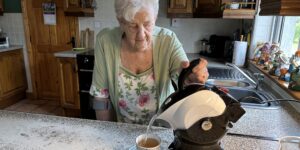
Simple activities – making tea, preparing meals, tidying the kitchen – are about far more than the task itself. They help reinforce a sense of capability and control, both of which are essential to senior independence.
For people living with arthritis or Parkinson’s, stiffness, pain, or tremors can make these routines feel stressful. But with the right support, many of these activities can remain part of everyday life.
Revisiting Daily Routines After Christmas
January is often when people naturally reassess how their home works for them.
You might notice:
- Certain tasks are avoided because they cause discomfort
- Lifting or gripping feels more difficult
- You rush through activities out of concern for spills or strain
- Fatigue sets in more quickly during the day
These aren’t failures – they’re signals that small changes could help.
Reworking New Year routines doesn’t mean giving things up. It means finding ways to make everyday tasks feel easier, safer, and more comfortable.
Independence Doesn’t Mean Doing Everything the Hard Way
One of the biggest misconceptions about independence is that it means managing without support. In reality, true independence is about continuing to do things your way, with confidence.
This might involve:
- Reducing the need to lift heavy items
- Using tools that provide better stability or grip
- Creating a kitchen layout that’s easier to move around
- Choosing everyday aids that support comfort and control
Well-designed daily living aids don’t take over – they simply make tasks feel more manageable, allowing people to stay independent for longer.
Living Well With Arthritis or Parkinson’s at Home
Conditions like arthritis and Parkinson’s can affect strength, balance, and coordination, particularly in the hands and upper body. Over time, this can impact confidence – even when someone is still very capable.
Supportive strategies include:
- Minimising strain on joints and wrists
- Choosing tools designed for reduced grip or tremors
- Allowing extra time for tasks without pressure
- Keeping routines familiar and predictable
These small adjustments can significantly improve comfort and help protect independence at home.
How Small Wins Build Confidence
Confidence grows through everyday success.
- Completing a task without pain.
- Moving through the kitchen with ease.
- Finishing a routine without worry.
Each of these moments reinforces a simple but powerful message: ‘’I can still do this.’’
Over time, those small wins add up – supporting independence not just physically, but emotionally too.
A Gentle Confidence Reset for the Year Ahead
A new year doesn’t require drastic changes. Often, the most meaningful progress comes from choosing comfort, safety, and confidence in everyday life.
By adjusting routines, embracing supportive solutions, and listening to what your body needs, independence becomes something you strengthen – not something you fear losing.
Independence is deeply personal. It’s about confidence, choice, and continuing to live life on your own terms.
This year, a confidence reset might simply mean making daily tasks a little easier and a lot more comfortable. Because independence isn’t about doing everything alone – it’s about continuing to do the things that matter most.




Leave a Comment