



Christmas brings families together. Time for laughter, shared meals, and long conversations. But it also often offers moments of quiet observation. Maybe you noticed your Mam struggling a bit more with making the tea. Or perhaps your Dad moved slightly slower in the kitchen. These small, everyday details often only become clear when routines slow down.
As the festive buzz fades and January settles in, many adult children find themselves thinking back to those moments and wondering: Is this just age? Or is there a little extra support that could help?
This gentle January check-up guide is designed to help you spot the signs that your loved one might benefit from a little practical elderly support at home, in ways that respect dignity and promote continued independence at home.
Ireland’s Ageing Population: Why This Matters Now
Ireland’s older population is growing quickly. According to the CSO, the number of people aged 65 and over climbed by more than 40% between 2013 and 2023, from 569,000 to 806,000 – and it expected to more than double to 1.6 million by 2051.
This growth means more families are caring for ageing relatives and more older adults are choosing to say in their own homes as long as possible – a choice that supports comfort, familiarity and emotional well-being.
5 Signs Your Loved One Needs More Support at Home
1. Everyday Tasks Becoming More Effortful
Sometimes the first sign of a changing need for support is simply noticing that once-routine tasks seem harder than before.
Maybe you noticed your parent:
- Taking longer to make meals
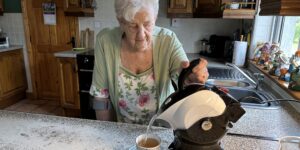
- Struggling with grip or strength when handling pots and mugs
- Hesitating before lifting or carrying items
These are not complaints – they are clues that everyday living may be less comfortable than it used to be.
2.Confidence and Mobility in the House
Confidence matters when it comes to independence at home. If your loved one is noticeable cautious, like gripping counters for balance or avoiding certain movements, it could be a sign that a bit of support could enhance confidence in daily routines.
Falls are a significant concern for older adults in Ireland. Research shows that about one-third of adults aged 65 and over experience at least one fall each year, and many of these occur in the home environment.
Even a near-miss or a slight hesitation is a cue worth paying attention to. Supporting mobility and confidence through practical measures can help reduce risk and build reassurance.
3. Small Changes in Routine or Habits
Sometimes needs for support isn’t dramatic – it’s subtle. You might notice:
- More reliance on takeaway meals
- Avoidance of previously enjoyed tasks
- Changing how often they move around the house
These habits can reflect fatigue, discomfort, or a loss of confidence in daily tasks rather than choice alone.
4. The Role of Practical Support – Without Taking Over
Offering support doesn’t mean doing everything for someone. Often the best way to help is through tools and adjustments that make everyday tasks easier – while still empowering your loved one to do those tasks.
Practical daily living aids can:
- Improve grip and stability
- Reduce physical strain
- Enhance safety in the kitchen and around the home
- Allow continued independence
Whether it’s a stabilising mat, an ergonomic kitchen aid, or a gadget that makes tasks smoother – the right support can boost confidence without taking control away.
5. How to Talk About It with Care
Bringing up help doesn’t need to be heavy or serious. Instead of saying:
- ”You need help,”
try phrases like:
- ”I noticed that_______ seems to be a bit harder to do. Would you like to make that easier?”
- ”I want you to feel comfortable and confident at home”
These approaches keep the conversation positive, respectful and partner-focused rather than directive.
6. Why January Is a Great Time for a Check-In
January is a month of reflection and a new rhythm. After the holidays – when routines slowed and family visits illuminated day-to-day life – it’s a natural moment to think gently about what support could enhance confidence and independence at home.
Recognising subtle changes and considering small supportive measures can help your loved one continue to enjoy daily life comfortably- in the home that feels most familiar.
Because independence isn’t about doing everything on your own; it’s about living life with confidence, comfort and dignity.
Taking note of the small things you noticed over Christmas isn’t about worrying – it’s about caring. A thoughtful check-up, supportive conversation, and practical adjustments can make daily life more comfortable and help your loved one stay confident and independent at home for as long as possible.
If you’d like guidance on practical tools that support everyday routines while preserving independence, we’re here to help you find solutions that respect dignity and quality of life.









Leave a Comment